


What Is Planetary Defense?
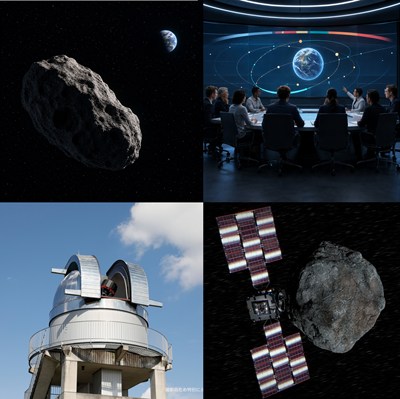
The JAXA Planetary Defense Team was established in 2024, bringing together experts in fields including near-Earth object observation, small-body exploration, and space law. Our mission is to raise awareness of planetary defense in Japan and establish a framework for responding rapidly to potential impact threats. Drawing on the extensive data and expertise gained through the Hayabusa and Hayabusa2 asteroid rendezvous missions, we contribute to the advancement of planetary defense technologies through international cooperation.
Planetary defense involves monitoring the impact risks posed by near-Earth objects. If a potential impact is identified, efforts may be made to deflect the object by changing its trajectory. If deflection is not feasible, the potential impact location and time are estimated to support emergency planning, including evacuation. It is a form of disaster risk reduction designed to protect lives from asteroid and comet impacts. Unlike many other natural hazards, potential impact events can sometimes be identified far in advance, but effective preparedness requires scientific expertise, technological capabilities, and international coordination. Alongside observation, analysis, and technology development, we are building cooperative frameworks in Japan and internationally so that swift action can be taken whenever a hazardous object is detected.
PROJECTS
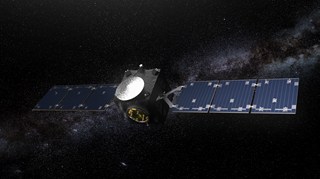
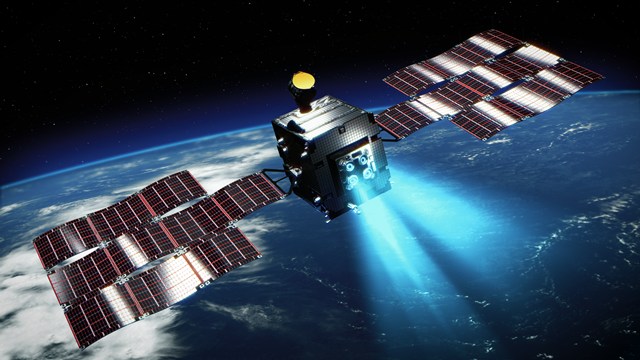
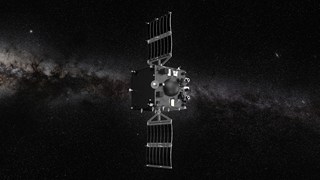
Several JAXA projects, including missions conducted in international collaboration, contribute to planetary defense.
RELATED CONTENTS
Explore articles and features that provide more information about planetary defense and related missions.


MULTIMEDIA
Explore videos and other media related to planetary defense.

JAXA Planetary Defense Team: The Latest on Planetary Defense
An accessible overview of the latest developments in planetary defense, with a focus on JAXA’s efforts to prepare for potential impact threats from near-Earth objects. This lecture was streamed during the JAXA Sagamihara Campus Special Open Day 2025 on October 12, 2025. (Language: Japanese)

The Forefront of Planetary Defense [JAXA Sagamihara Campus Special Open Day 2024]
Using asteroid Apophis as an example, this lecture offers an accessible introduction to current planetary defense activities and efforts to protect Earth. It was streamed during the JAXA Sagamihara Campus Special Open Day 2024 on November 3, 2024. (Language: Japanese)

ISAS Talk Event: An Introduction to Planetary Defense
This talk on planetary defense was held at the Space Science and Exploration Exchange Building on JAXA’s Sagamihara Campus. (Language: Japanese)

How to Prevent an Asteroid Impact: Planetary Defense
Planetary defense addresses potential impact hazards posed by asteroids, comets, and other near-Earth objects. This video clearly explains the fundamentals, from impact prediction to trajectory-altering methods such as kinetic impactors and gravity tractors. (Language: Japanese)
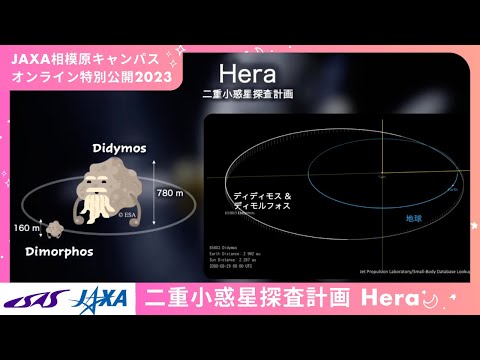
The Hera Binary Asteroid Mission and Planetary Defense
Hera is a mission designed to investigate the outcome of an asteroid-deflection test. This video introduces JAXA’s Thermal Infrared Imager (TIRI), other technologies used by the mission, and Hera’s investigation strategy, explaining how the mission contributes to planetary defense research. (Language: Japanese)
About the Planetary Defense Team
The Planetary Defense Team was established in April 2024, with its members appointed by the JAXA President and the Team Leader. It is an organization-wide team comprising experts from multiple JAXA departments and directorates.
PLANETARY DEFENSE TEAM
Secretariat
Strategic Planning and Management Department
Science and Technology
Domestic and International Collaboration
General Affairs Department
International Relations and Research Department