DESTINY+ and Planetary Defense
Mission Objectives of DESTINY+
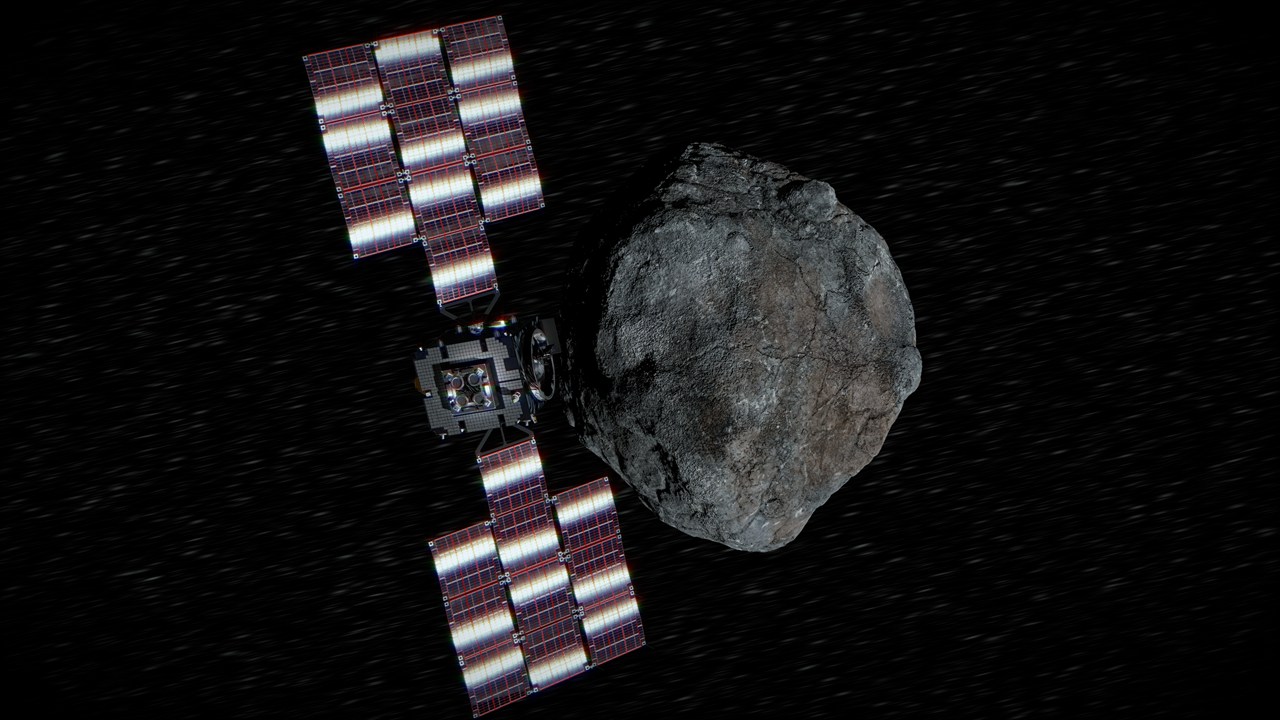
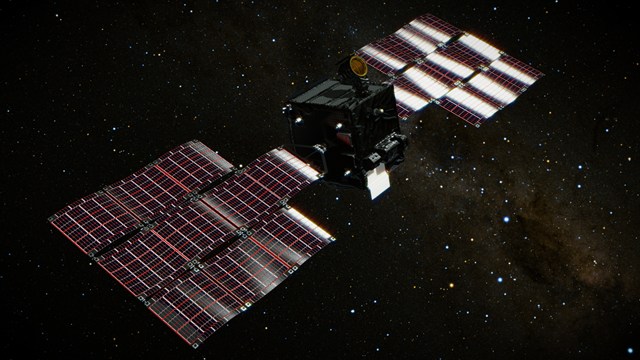
DESTINY+ is a JAXA deep-space exploration mission that uses a compact, high-performance spacecraft to study a near-Earth asteroid. Its primary target is Phaethon, the parent body of the Geminid meteor shower. The spacecraft will observe Phaethon during a high-speed flyby. The mission also aims to demonstrate electric-propulsion technology for deep-space navigation and operational techniques for acquiring high-precision data during a brief, high-speed encounter. DESTINY+ is both a scientific mission and an effort to build a technological foundation for future space activities.
Understanding Asteroids Supports Planetary Defense
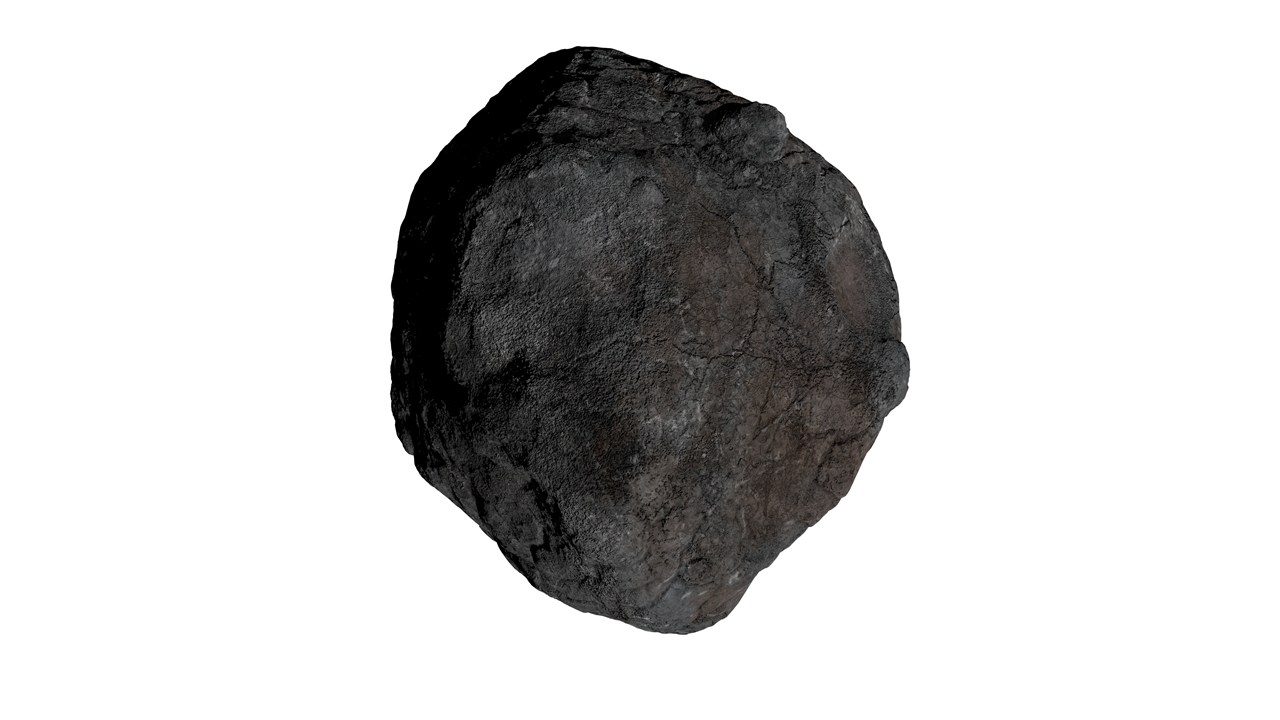
A key element of planetary defense is the rapid and accurate characterization of objects approaching Earth. Asteroids vary enormously in size, shape, structure, and surface strength, and these differences are crucial when evaluating potential mitigation strategies. DESTINY+ will approach Phaethon and obtain detailed images and measurements of dust particles in its vicinity, revealing the asteroid’s surface environment and material characteristics. These data will help researchers assess the potential effects of future encounters with objects that have similar properties and evaluate appropriate response strategies. DESTINY+ supports planetary defense by expanding our scientific knowledge.
The Importance of High-Speed Approach and Observation Technologies
DESTINY+ is distinguished by its planned use of flyby observations, approaching Phaethon at a relative speed of more than 30 kilometers per second and gathering data during a brief observation window. Planetary defense may require a rapid response to an asteroid discovered only shortly before its close approach to Earth. In such a situation, technologies that can reliably reach and characterize the object within a limited observation window are extremely important. The navigation and high-speed flyby observation technologies developed through DESTINY+ will provide valuable experience for future planetary-defense spacecraft. The ability to approach and characterize an object rapidly and accurately is an important capability for future planetary defense missions.
DESTINY+ and Japan’s Contribution to Planetary Defense
DESTINY+ is not a defense mission that directly changes an asteroid’s orbit, but it will advance the scientific knowledge and technologies needed for planetary defense. Japan has established a strong record in asteroid exploration through the Hayabusa missions, and DESTINY+ takes that expertise to the next stage. By demonstrating these capabilities, Japan can make a practical contribution to international planetary defense efforts. DESTINY+ represents an important step connecting space science with planetary defense.